
I’ve been closely following and I have seen a growing pile of research about the harmful effects of consuming too much of this poison. I found some expert opinions are converging from all sides, shedding light on how sugar can damage our bodies. I have share with you some insights from a few leading authorities on the subject:
5 Expert Opinions on how Sugar is Bad for Us
1. Gary Taubes, Journalist & Author of “The Case Against Sugar”
Taubes’ research dives into the historical and political aspects of sugar consumption. He argues:
- Link to Chronic Diseases: Over many years, sugar has been linked to heart disease, Type 2 diabetes, and even cancer. He argues that the sugar industry has downplayed these risks for decades, much like the tobacco industry did with smoking.
2. Dr. David Ludwig, Nutrition Expert
Dr. Ludwig focuses on how of this poison influences hunger and metabolism:
- Increased Hunger: Sugar causes a rapid spike in blood glucose followed by a sharp drop. This drop triggers hunger and cravings, promoting overeating and making it harder to maintain a healthy weight.
- Metabolic Slowing: When your body becomes insulin-resistant due to chronic sugar consumption, your metabolism slows down, leading to fatigue and difficulty losing weight.
3. Dr. Robert Lustig, Endocrinologist
Dr. Lustig is a prominent figure in the anti-sugar movement. He’s best known for his work on how fructose, particularly from added sugars, drives metabolic dysfunction. According to Lustig:
- Fatty Liver: High sugar intake, especially fructose, leads to non-alcoholic fatty liver disease (NAFLD). The liver converts excess sugar into fat, which can accumulate and lead to insulin resistance and liver disease.
- Obesity & Insulin Resistance: Lustig argues that excess sugar, by spiking insulin, causes the body to store more fat, leading to weight gain and eventual insulin resistance. This, in turn, contributes to Type 2 diabetes.
4. Dr. Michael Greger, Physician & Nutrition Expert Said Sugar is Bad for Us
Dr. Greger focuses on sugar’s role in promoting chronic diseases through its effect on the gut and the cardiovascular system:
- Gut Health: Sugar feeds harmful gut bacteria, disrupting the balance of the microbiome, which can contribute to digestive issues, weight gain, and even mental health problems like depression and anxiety.
- Heart Disease: Excess sugar increases the risk of heart disease by raising blood pressure, increasing inflammation, and leading to the buildup of fat in arteries.
5. Dr. Mark Hyman, Functional Medicine Doctor
Dr. Hyman is a proponent of functional medicine, and he emphasizes sugar’s role in driving inflammation:
- Chronic Inflammation: Sugar contributes to systemic inflammation, which is a root cause of many chronic diseases, including heart disease, arthritis, and even Alzheimer’s disease.
- Immune Suppression: High sugar intake weakens the immune system by impairing white blood cell function, making the body more susceptible to infections.
- Packing on the Pounds: When I overload on sweet treats and drinks, those extra calories are turning into fat and making me gain weight.
- Inviting Diabetes: Too much sugar can mess with my body’s insulin response and that’s a one-way ticket to Type 2 diabetes.
- Ruining my Smile: Those sugary snacks I love? They’re feeding harmful bacteria in my mouth and that means cavities.
- Speeding Up Aging: If I take in too much sugar, I’m literally sweetening myself into old age. The glycation process, where sugar molecules damage collagen and elastin, is making my skin age faster.
Here’s why of this poison is so bad:
- Here’s the scoop from my personal perspective.
- Experts have reached a consensus that consuming too much sugar is bad for us:
- damage our bodies
- leading to obesity
- insulin resistance
- inflammation
- a catalogue of chronic diseases
- The simple act of cutting down on added sugars in our diet:
- Revolutionize our overall health
- Elongate our lives
- enhance our well-being
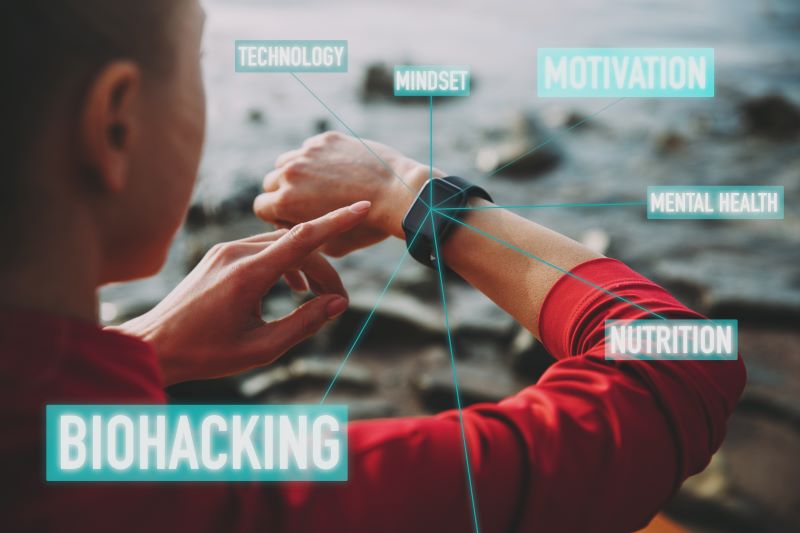
You can learn more about this through this engaging concept of BIOHACKING. It’s bound to be a game-changer for your health and wellness. You can trust me, you’ll see the up coming innovations in the next few months.
Together, we’re on a journey to reclaim the world’s health!

- When I eating poisons like: sugar, and seed oils.
- It impacts my body in a myriad of ways, both instantly and prolonged.
- We can not think straight, our minds are slowed.
- We struggle with trying to loose that belly fat.
11 Problems – That Will Make You Stop Taking Sugar :
1. Immediate Energy Spike
- Sugar Breakdown:
- When you eat sugar, the body breaks it down into glucose (blood sugar), which is absorbed into the bloodstream. This causes a rapid increase in blood glucose levels, providing a quick source of energy.
- Insulin Release:
- In response to the spike in blood glucose, the pancreas releases insulin, a hormone that helps cells absorb glucose to be used for energy or stored for later use. Insulin is key in regulating blood sugar levels.
2. Blood Sugar Crash
- Rapid Drop in Glucose:
- After the initial spike, insulin can cause a rapid decrease in blood glucose levels. This often leads to a “sugar crash,” leaving you feeling fatigued, hungry, and craving more sugar.
- Increased Hunger:
- As blood sugar drops, your body signals that it needs more energy
- which can lead to overeating or snacking, particularly on more sugary foods, creating a cycle of cravings.
- As blood sugar drops, your body signals that it needs more energy
3. Storage of Excess Sugar as Fat
- Energy Storage:
- When you consume more sugar than your body needs for immediate energy, excess glucose is stored as glycogen. Once these stores are full, the remaining glucose is converted to fat.
- Weight Gain:
- Chronic consumption of excess sugar, especially from sugary drinks and processed food
- Leads to the accumulation of fat, contributing to weight gain and obesity over time.
- Chronic consumption of excess sugar, especially from sugary drinks and processed food
4. Liver Sugar Overload and Fatty Liver Disease
- Fructose and the Liver:
- Unlike glucose
- which is processed by many cells in the body, fructose (a component of table sugar and high-fructose corn syrup) is metabolized almost exclusively by the liver.
- High consumption of fructose can overwhelm the liver, leading to the production of fat, which can accumulate in the liver, causing non-alcoholic fatty liver disease (NAFLD).
- Unlike glucose
5. Insulin Resistance and Type 2 Diabetes
- Insulin Resistance:
- Over time, consuming too much sugar can lead to insulin resistance, where the body’s cells become less responsive to insulin. The pancreas compensates by producing more insulin, but eventually, it can’t keep up, leading to chronically high blood sugar levels.
- Type 2 Diabetes:
- If insulin resistance progresses, it can lead to the development of Type 2 diabetes, a condition where the body can no longer regulate blood sugar effectively, increasing the risk of severe complications like heart disease and nerve damage.
6. Chronic Inflammation
- Systemic Inflammation:
- Excess sugar consumption, especially in the form of refined sugars, has been linked to increased levels of inflammation in the body. Chronic inflammation is a known contributor to many diseases, including heart disease, arthritis, and certain cancers.
7. Harm to Heart Health
- Increased Risk of Heart Disease:
- Diets high in sugar are associated with an increased risk of heart disease.
- Excess sugar consumption can raise blood pressure, increase triglyceride levels, and promote the buildup of fat in the arteries (atherosclerosis), all of which are risk factors for heart disease.
- High Blood Pressure:
- Sugar, particularly fructose, has been shown to increase blood pressure by affecting the body’s handling of sodium and increasing uric acid levels.
8. Effects Sugar has on the Brain and Mental Health
- Dopamine Release:
- Sugar stimulates the release of dopamine, a neurotransmitter associated with feelings of pleasure and reward. This is why eating sugary foods can feel satisfying and even addictive.
- Sugar Addiction:
- Regular consumption of sugar can lead to a cycle of craving and addiction-like behavior due to the frequent release of dopamine, creating a dependency on sugary foods for pleasure.
- Mental Health:
- High sugar intake has been linked to mood swings, increased risk of depression, and anxiety, possibly due to blood sugar fluctuations and inflammation.
9. Damage to Skin and Aging
- Advanced Glycation End Products (AGEs):
- Excess sugar in the bloodstream can bind to proteins in the body, forming harmful molecules known as advanced glycation end products (AGEs). These molecules damage collagen and elastin, proteins that keep the skin firm and elastic, leading to premature aging and wrinkles.
- Acne and Skin Issues:
- Sugar can also trigger the production of hormones that stimulate oil production in the skin, potentially leading to acne and other skin issues.
10. Impact on the Immune System
- Immune Function Suppression:
- High poisons intake, especially from refined sugars, and seed oils can suppress the immune system by impairing the ability of white blood cells to fight off infections.
- This effect can last for hours after consuming sugary foods, leaving the body more vulnerable to illnesses.
11. Tooth Decay
- Bacteria and Sugar: this poison is a primary food source for harmful bacteria in the mouth. When bacteria metabolize sugar, they produce acid that erodes tooth enamel, leading to cavities and tooth decay.
Summary of Effects:
- Short-term:
- Energy spikes, crashes, increased hunger, cravings, and temporary feelings of pleasure.
- Long-term:
- Weight gain
- Insulin resistance
- Fatty liver
- Chronic inflammation
- Increased risk of heart disease
- Type 2 diabetes
- Premature aging
- Mental health issues
- Weakened immunity
- Tooth decay.
By cutting down on my added poisons intake and focusing more on whole, unprocessed foods, I can counteract these negative impacts and encourage better health for myself in the long run.
We have found BIO HACKING is changing the world. Changing how we Think, Feel, and How we Look. BIO HACK your brain today.
We are the ones that can make it a better place! Yes our prayers will help, but when our God-given resources are applied, nothing is impossible. If you will allow us to help you, and “Pay It Forward”, we can help you change the world. Just reach out and CONTACT US.
Author: Palmar